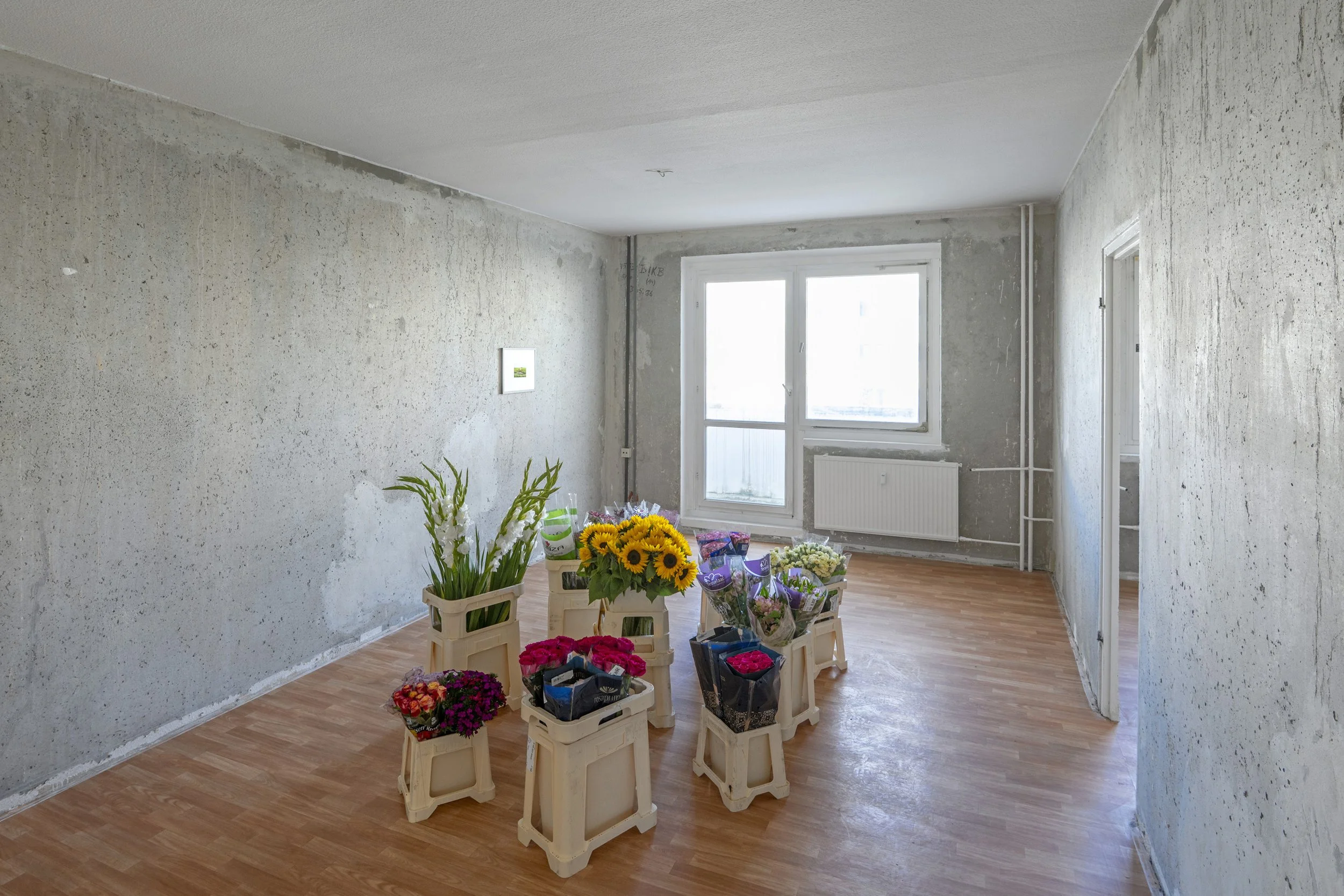
ES DUFTET NACH FRÜHLING
Installation/ 206
Situation Room
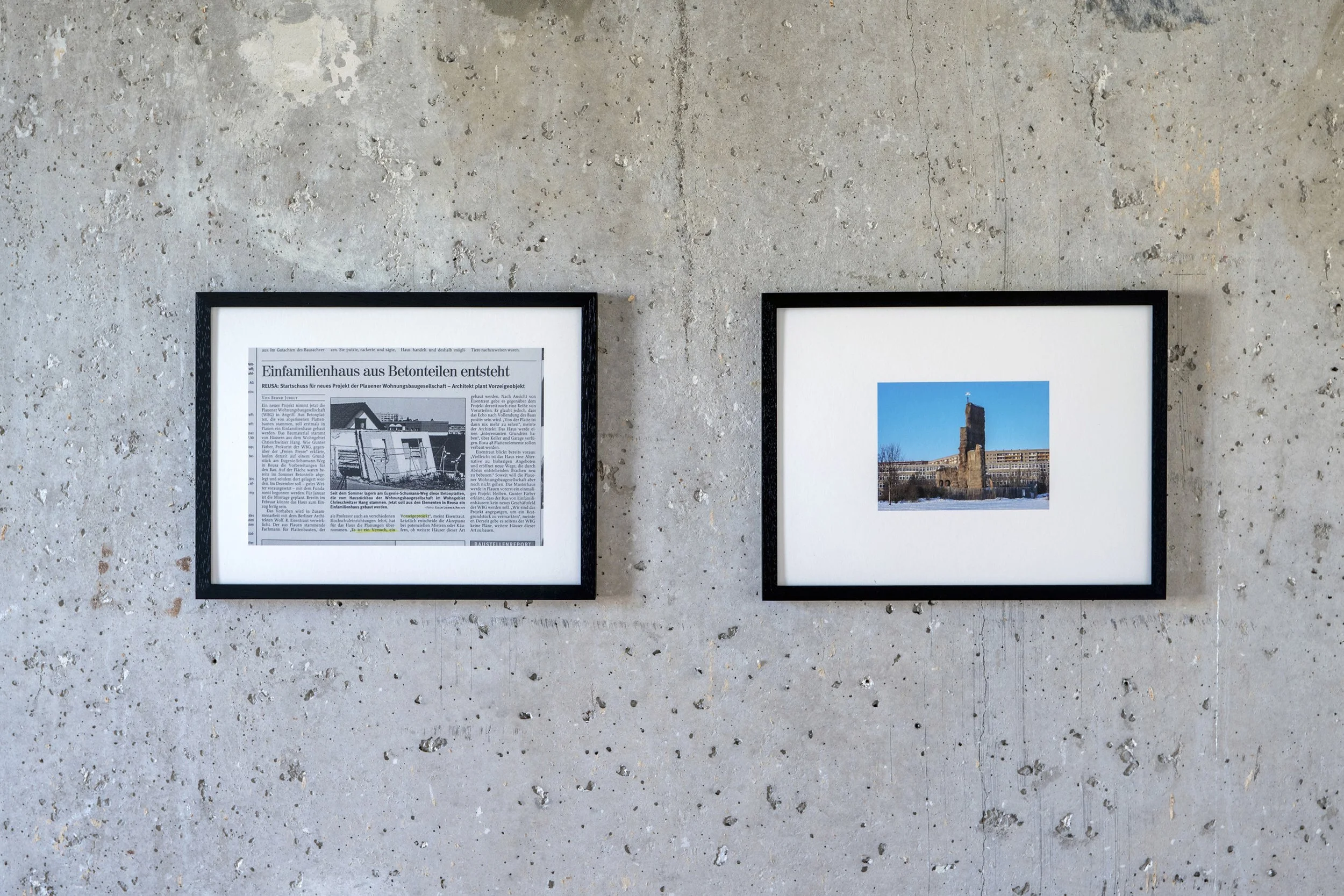
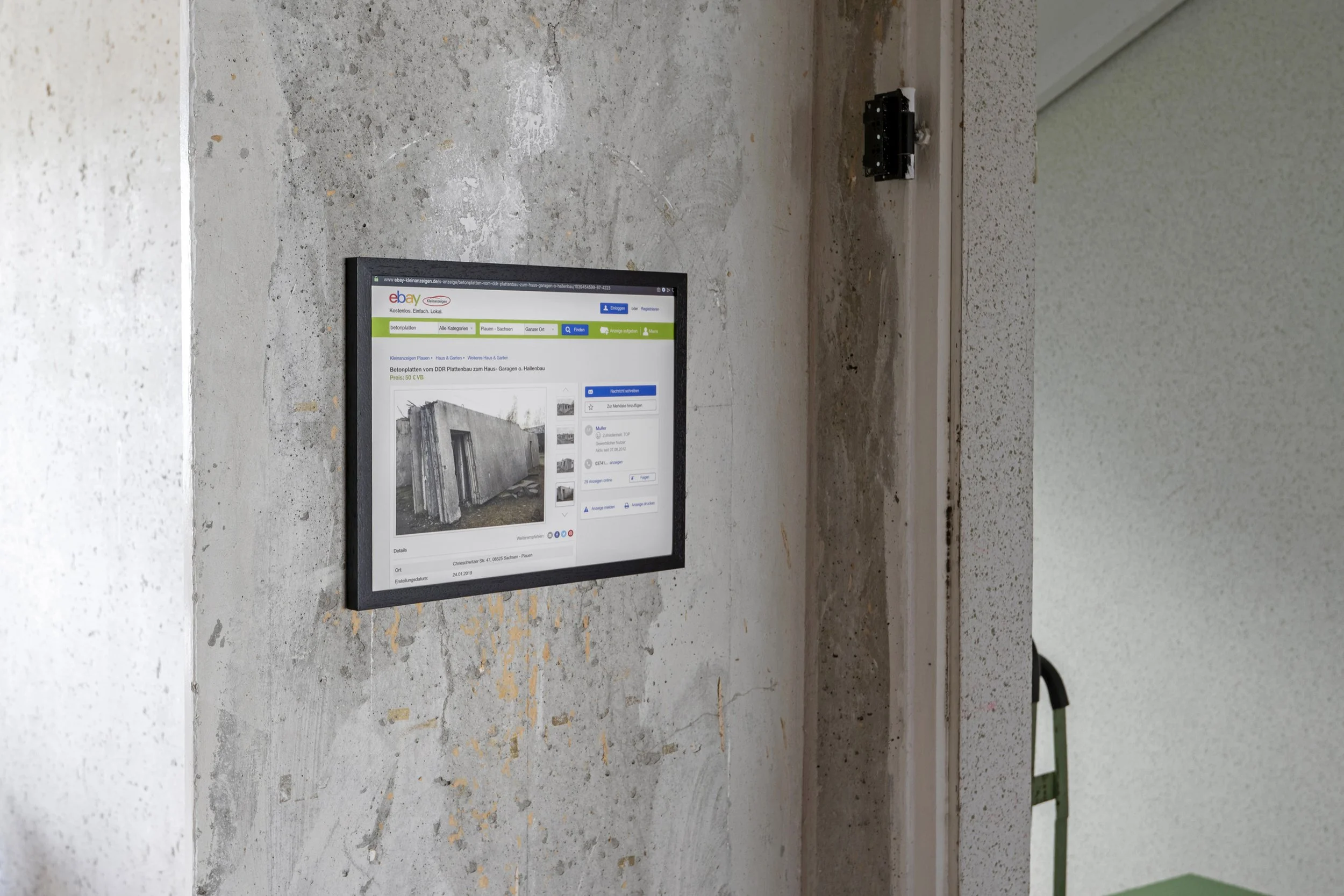
In 2018, Situation Room, together with Diego Vivanco, undertook an artistic research project exploring how prefabricated housing blocks from the former German Democratic Republic (GDR) were dismantled and reused. Under the title Bis wir am Hang verharren jetzt und lassen die Steine zu Tal, the project resulted in a three-part installation in Plauen and an accompanying publication, examining how GDR architecture is handled and valued, both socially and materially.
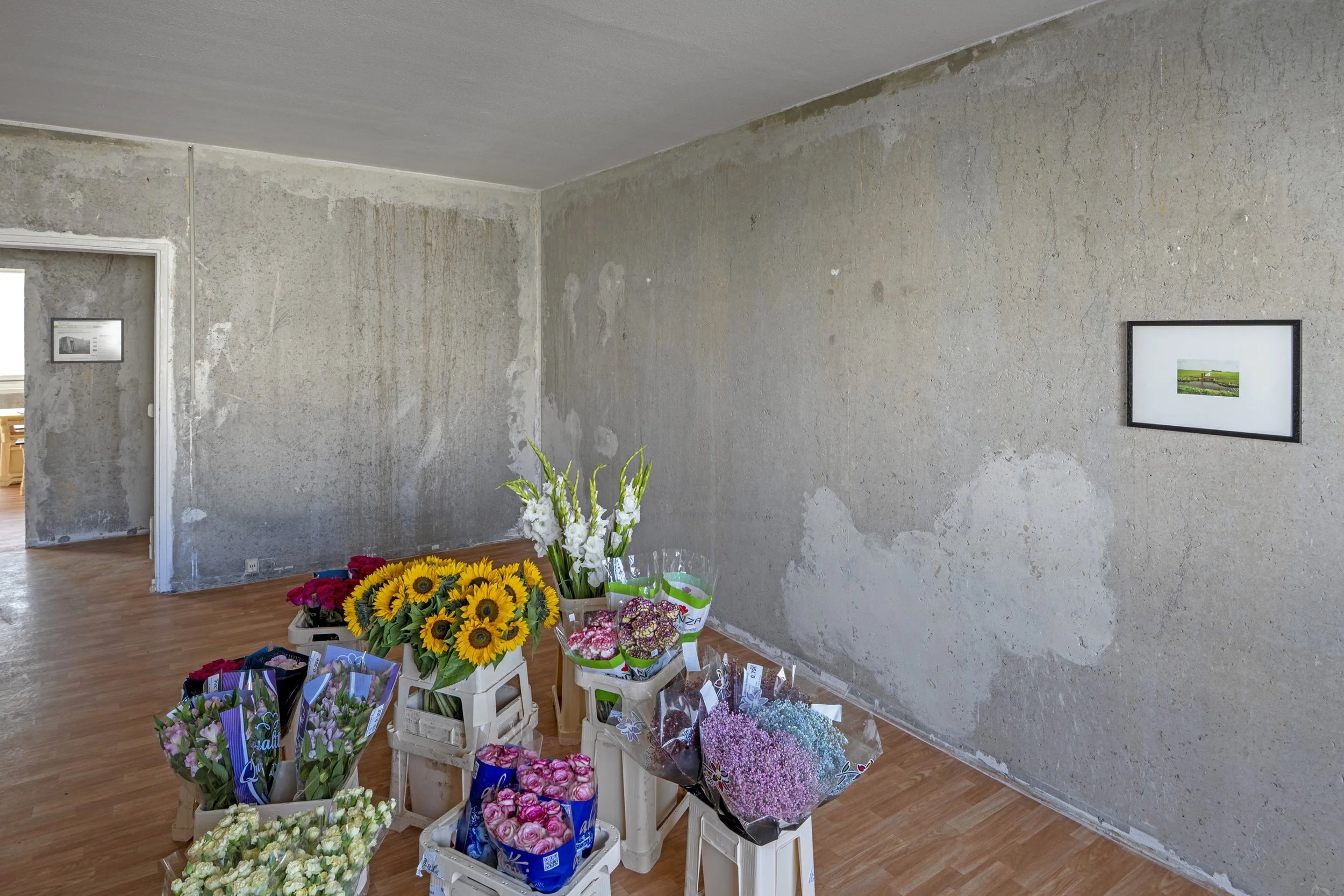
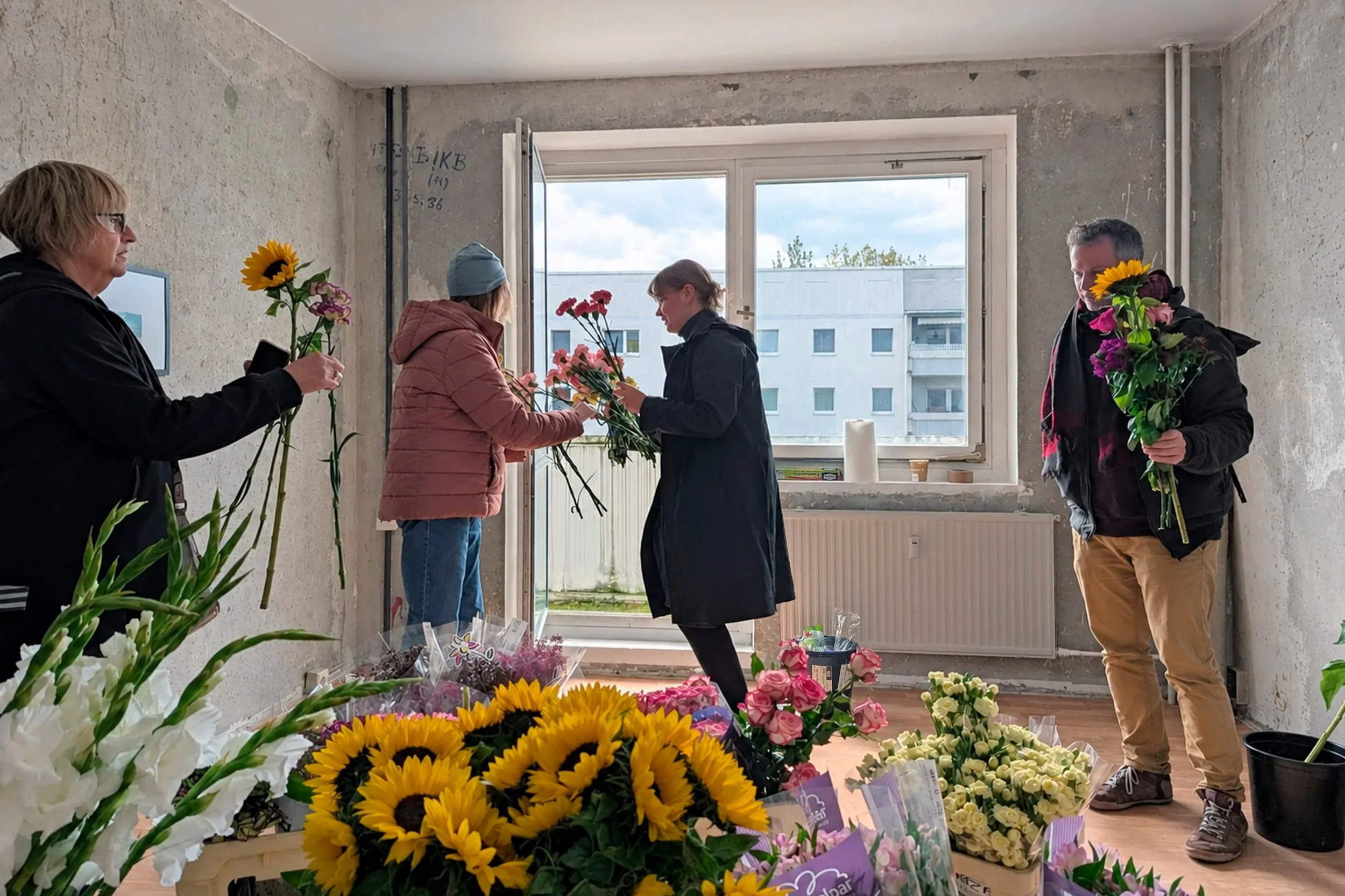
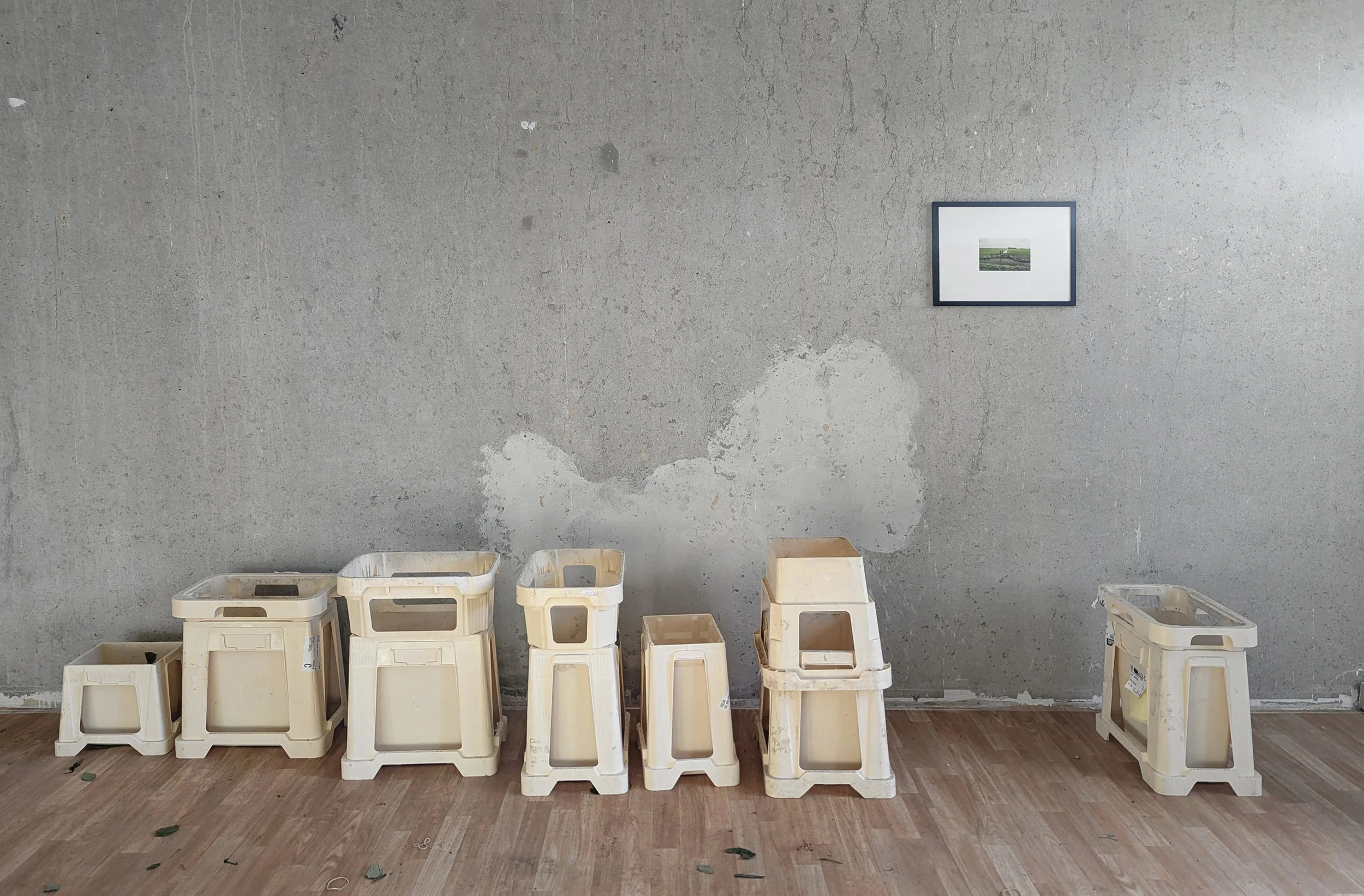
The installation Es duftet nach Frühling (It Smells Like Spring) revisits the questions first explored in this research: the recycling of building materials, material cycles, and the transformation of prefabricated housing estates in eastern Germany. In the late 1990s, Dutch flower companies delivering to Germany used their return journeys to transport salvaged precast concrete elements back to the Netherlands. At a time when dismantling usually meant demolition without reuse, these elements found new uses, among other things in agriculture. In light of ongoing debates about resource scarcity and how to deal with existing building structures, these early examples of reuse seem strikingly relevant today.
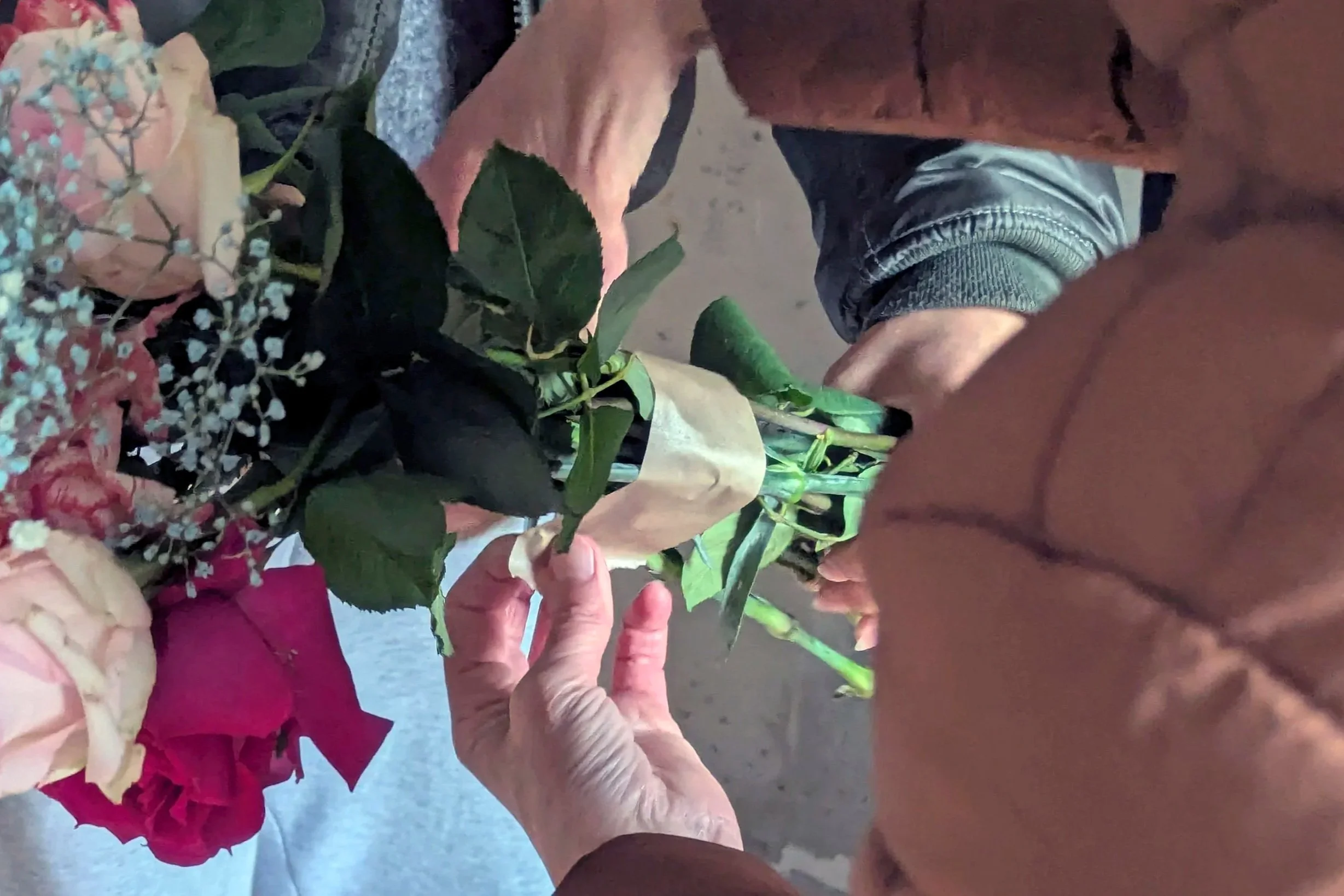
The installation drew on the connection between the flower trade and the transport of concrete elements. On the final day of the exhibition, visitors were invited to arrange the flowers on display into bouquets and take them home.The installation SALE examines anti-terror barriers in public space. Since the mid-2010s, concrete blocks, bollards, and other vehicle barriers have increasingly been deployed in cities in response to attacks carried out with vehicles. Initially conceived as temporary security measures, these barriers have gradually become normalized over the years.
The barriers embody an ambivalent promise. On the one hand, they are intended to provide protection; on the other, they make a potential threat visible. In this sense, they symbolize the extent to which public space is increasingly planned and designed with potential threats in mind.
SALE takes up this ambivalence. From the open trunk of a car—the very source of the threat these barriers were designed to guard against—baseball caps featuring motifs of various anti-terror barriers are offered for sale. Functional security objects are thus transformed into iconographic signs, branding, and lifestyle objects.
As a wearable fashion accessory, the baseball cap also raises questions of individual identification: What does it mean to wear a symbol of protection, control, and potential threat on one’s own body? At the intersection of art and fashion design, the work examines how design can not only make social developments visible, but also contribute to their normalization.
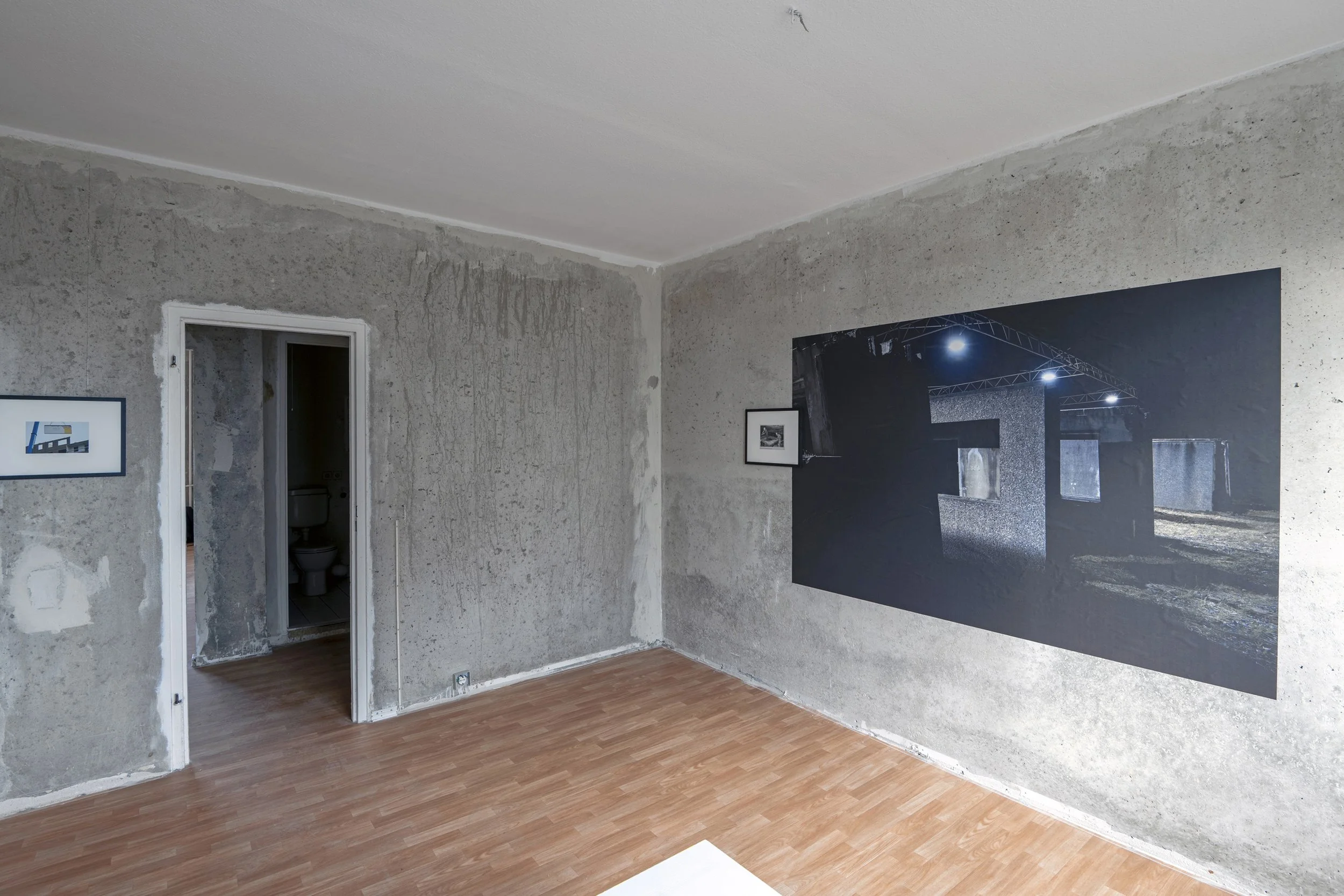
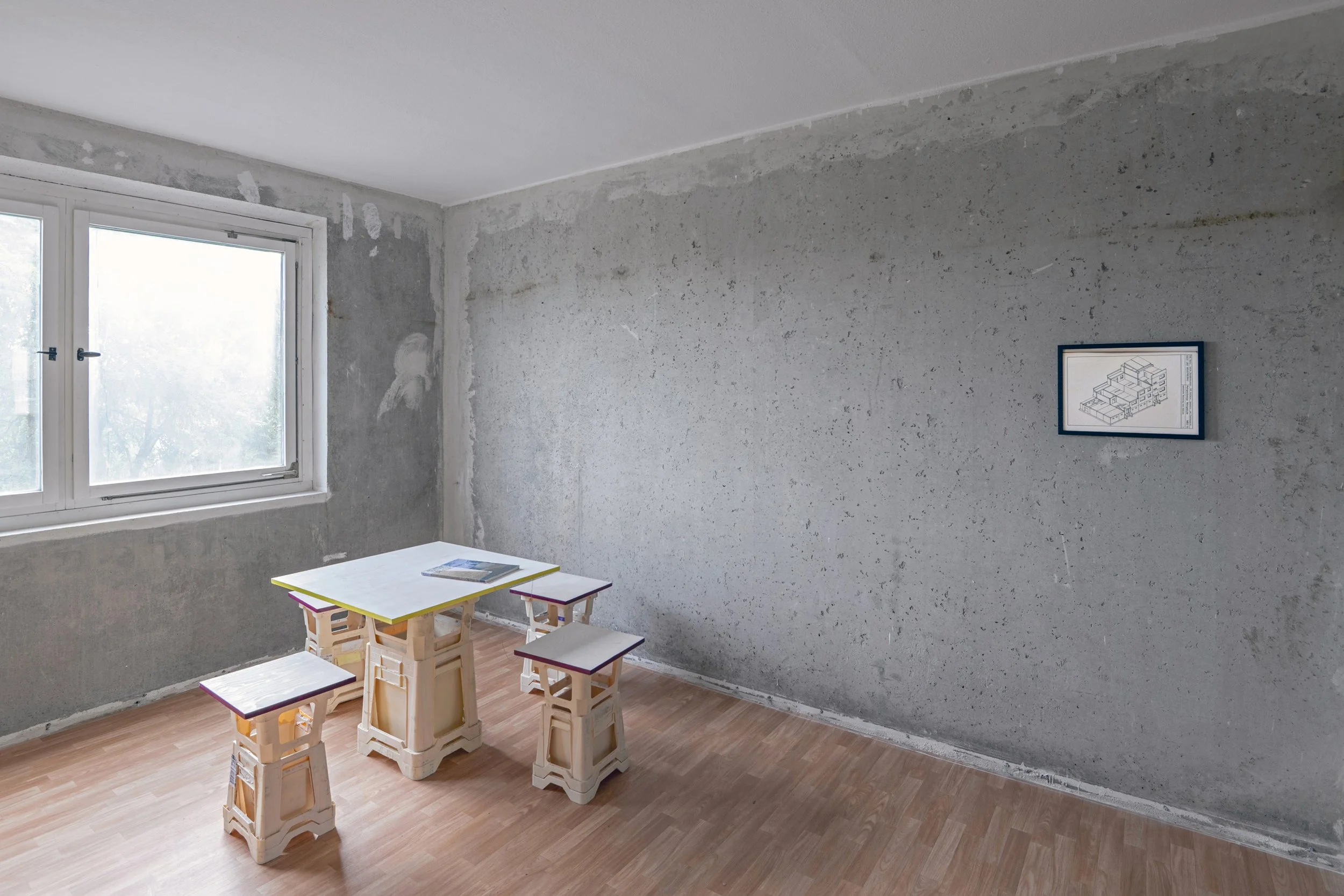
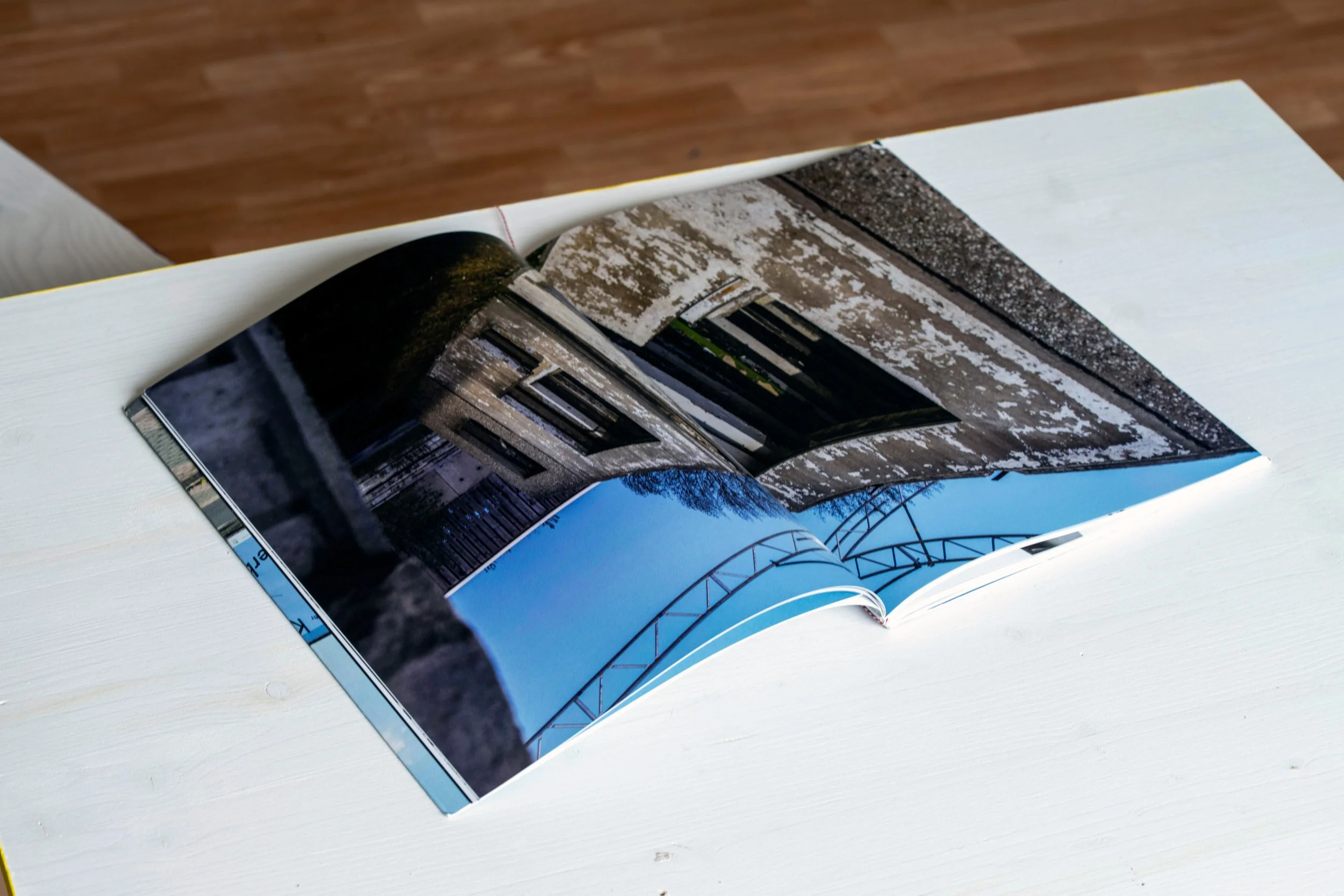
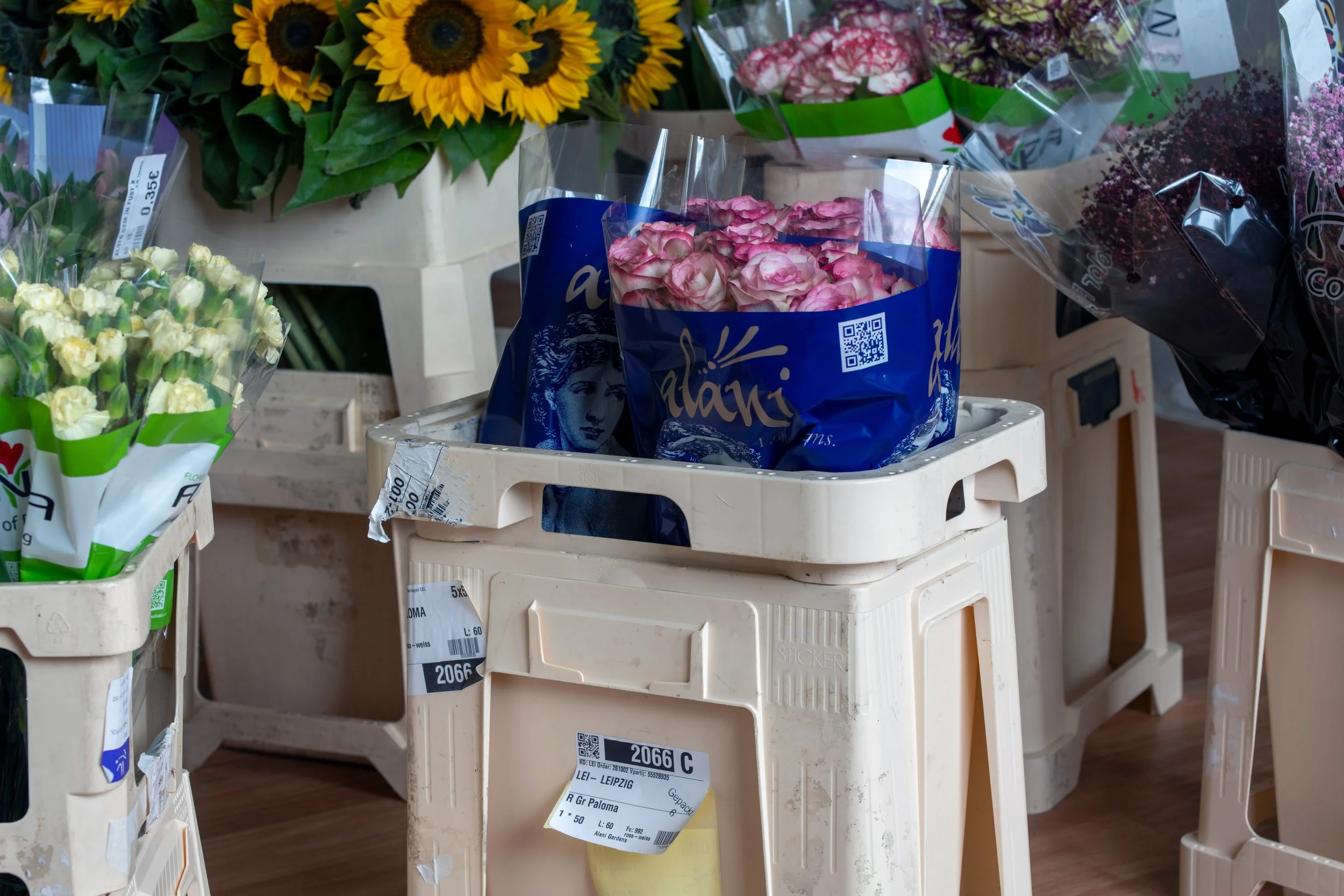
Installation views: “Powerplatte”, Leipzig / Foto: Sven Bergelt